
High Roller Experiences

After dusk,
at the table.

At Chance and Hearth in Melbourne, a High Roller Experience is a composed evening of ember-lit dining, a secluded card room, and focused poker-table play. It begins in shadow and conversation, then settles into silver table light, physical cards, and the deliberate pace of a house built for attention.

Discover the venue
Strictly in person

Every offline poker experience at Chance and Hearth is conducted strictly in person. The evening is entered through arrival, dining, conversation, and a shared physical table.

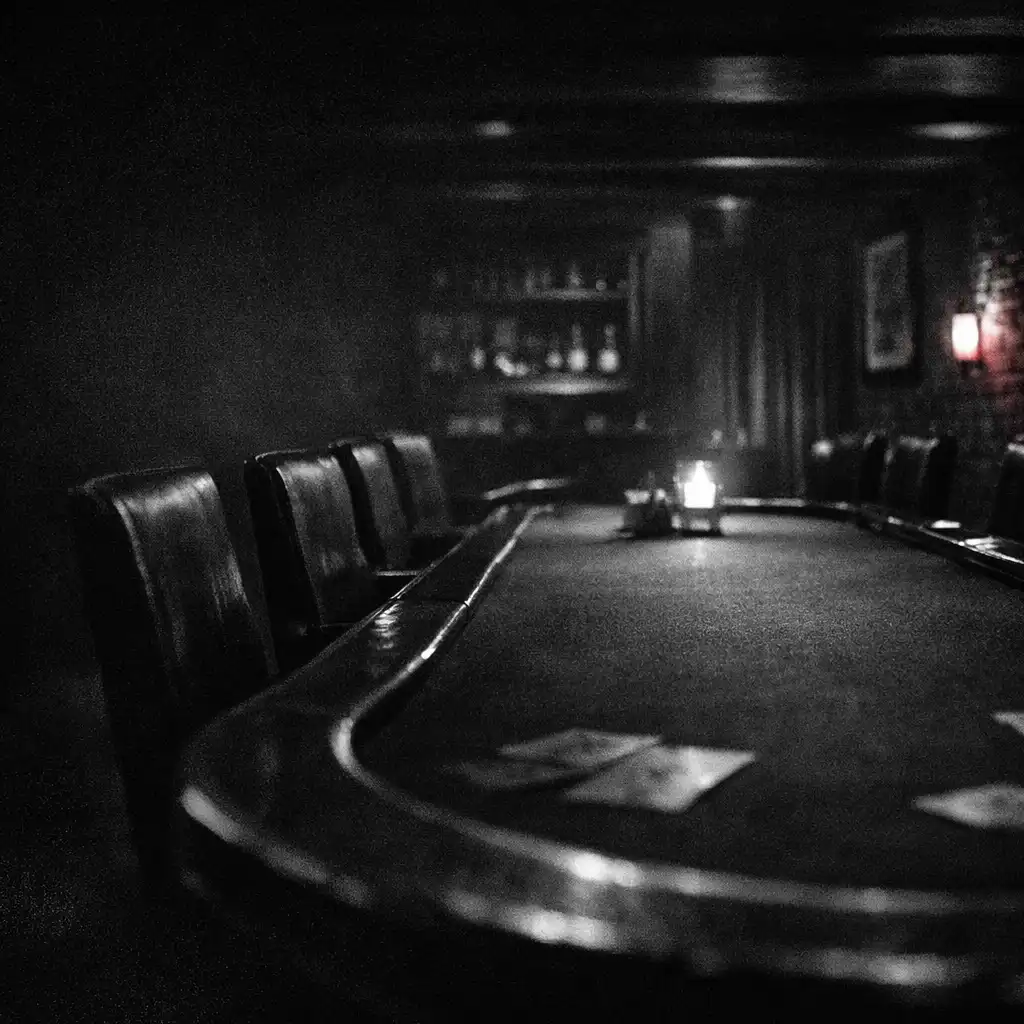
A secluded Chance and Hearth card room with a long poker table receding into shadow.
The house sequence

The house sets the pace.

01

Ember-lit dining

Dining is the first movement of the visit. Ember warmth sits against darkened surfaces; tableware catches a low glow; conversation has room to arrive before the card room calls attention elsewhere. Chance and Hearth keeps this opening measured rather than hurried, allowing the dining room to establish the evening’s quieter tempo. Flame, shadow, and the shared table make a natural threshold between the street and the more secluded room beyond.
02

The secluded card room

Beyond the dining atmosphere, the card room is a quieter room within the house. Cool silver light meets deep charcoal surfaces, drawing attention toward the people gathered at the table rather than toward spectacle. The setting is shaped for concentration, etiquette, and face-to-face presence. Poker experiences here are conducted strictly in person, so the room itself—its pauses, glances, and shared quiet—remains part of what visitors come to understand.

03

Poker tables as the focal point

The poker tables are physical gathering points for offline poker, considered conversation, and measured Texas Hold’em play. Cards, chips, and table etiquette create a common point of focus without turning the evening into a performance. Each table holds the small rituals of a shared setting: hands settling, attention narrowing, and the room returning to stillness between moments. The emphasis stays on being present with others around an actual table.

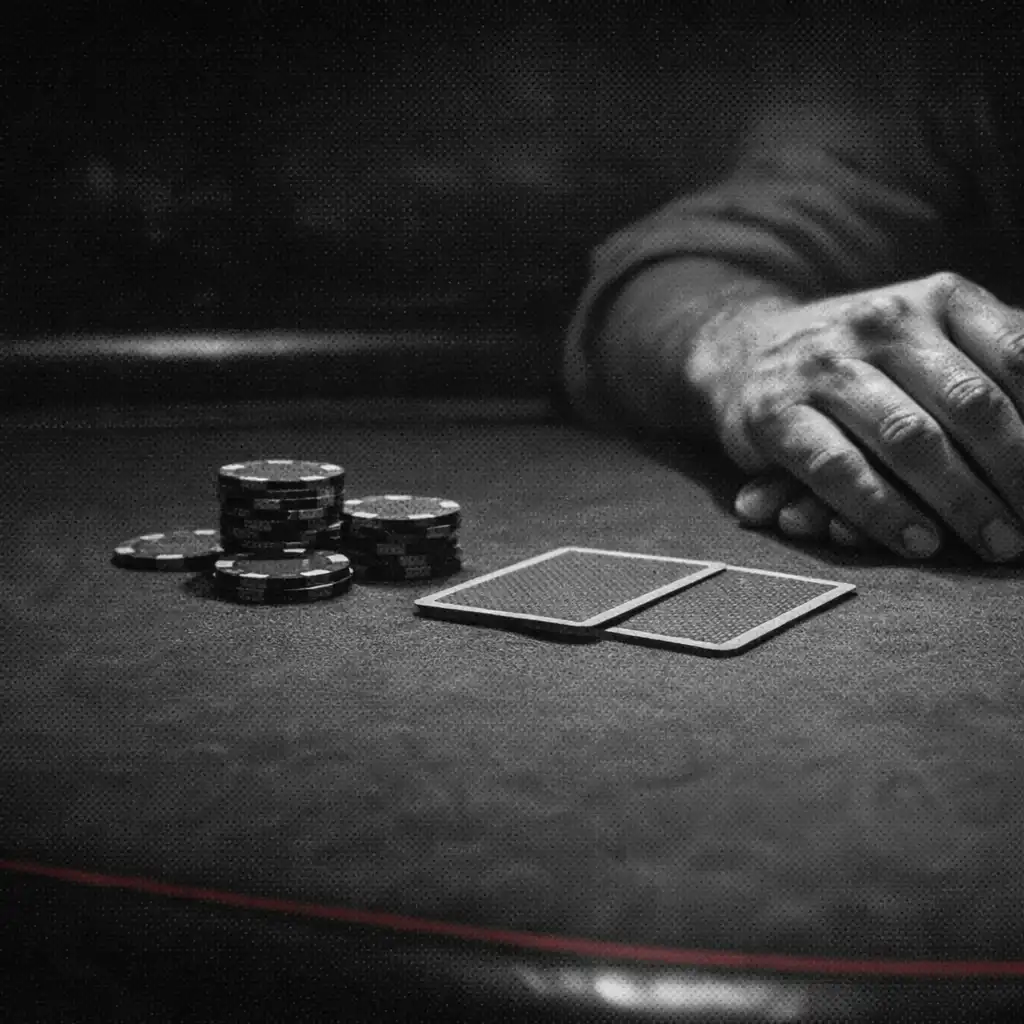
Hands, plain chips, and face-down playing cards gathered on a real poker table.
Table-side focus

A table held in shadow.

At a Chance and Hearth poker table, the visual discipline is simple: cards resting on felt, chips held close, hands in low light, and concentration shared by everyone present. Offline poker is tangible here because it is face to face. The table asks for attention without demanding noise, allowing the texture of the room and the quiet rhythm of physical play to carry the moment.

A clear framework

The High Roller format.

High roller describes the atmosphere and table format of a carefully paced evening at Chance and Hearth. It is a way of moving through the house with attention, from arrival to dining to the card room.

Arrival is part of the format

The evening begins with an in-person arrival at Chance and Hearth in Melbourne and a chance to take in the venue before the card-room portion comes into focus. That first movement matters: it gives the house, the dining room, and the table their proper sequence. The experience is conducted strictly in person, shaped by the pace of physically entering the room and settling into its atmosphere.

A physical table allocation

Where referenced, buy-in means a chips-only table allocation for the in-person poker table. The phrase is used only to describe that physical place at the table, keeping the focus on the shared room, cards, chips, and face-to-face experience.

Texas Hold’em at the centre

Recurring Texas Hold’em tournaments may shape the card-room rhythm, giving the evening a familiar structure while preserving its sense of shared focus. Chance and Hearth presents the format through the physical table: considered conduct, attentive play, and the calm social awareness that comes from occupying the same room. The emphasis remains on the in-person setting and the ritual of a table held in common.

A considered close

The final movement returns attention from the table to the wider house. Ember-lit dining, the secluded card room, and the poker tables are designed to feel connected, so the evening reads as a complete passage through Chance and Hearth rather than a standalone game. The close leaves room for conversation, reflection, and the lingering atmosphere of the venue.

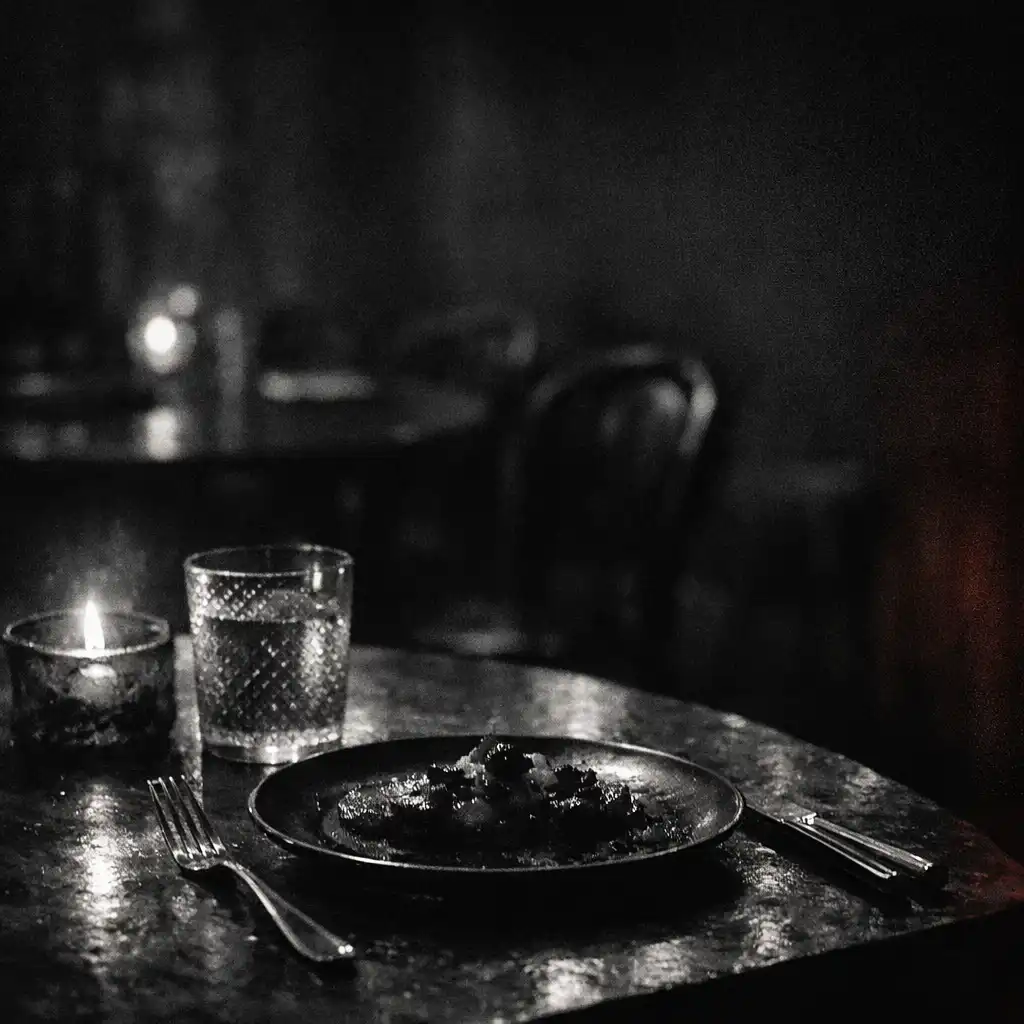
An ember-lit dining table set within the dark interior of Chance and Hearth.
Before the card room

Dining before the deal.

A slower first course

Ember-lit dining gives the evening a deliberate beginning. Heat, quiet, table glow, and darkened surfaces create a place to arrive without rushing toward the next room. It is not an ornamental pause; it is the first expression of Chance and Hearth’s pace. Guests can settle into conversation and let the venue’s low light replace the brightness of the day before the card-room atmosphere takes hold.

One house, two rooms of attention

The dining room and secluded card room speak in different light, yet they share the same attention to physical presence. Ember warmth gives way to cool silver table light; close conversation gives way to a more focused hush. Poker remains strictly in person, and that continuity matters: both rooms are shaped around the people physically gathered within them.

Explore Ember-Lit Dining
Shared conduct

Card room etiquette, held in common.

The card room is designed for people sharing the same physical table, with attention given to the room, the cards, and each other. Its atmosphere is calm rather than ceremonial: a place where presence is felt in the way people listen, pause, and make room for the tempo of play. Every poker experience is conducted strictly in person, keeping the table connected to the people seated around it.

Measured conversation

Conversation belongs to the room when it remains considered and aware of shared focus. Texas Hold’em play has its own pace, and the best atmosphere leaves space for it without making the room feel severe. A few well-timed words, an attentive pause, and respect for the people at the table help maintain the composed tone that defines the card room.

Care for the table

The poker table, playing cards, chips, and physical room are all part of the ritual. Attention to these shared elements keeps the setting tactile and settled, from the felt under a hand to the low light around the table edge. This is not a procedural instruction; it is an invitation to notice the material details that make an in-person evening feel held together.

Ask at the venue

For clarity about the evening’s current format, speak with Chance and Hearth in person or make direct contact before your visit. The team can be reached on +61280156384 or at [email protected]. You can also contact Chance and Hearth through the dedicated contact page.

Continue the discovery

From offline poker to tournament night.

Chance and Hearth’s wider poker world is grounded in recurring offline poker experiences held at the venue. The room and table matter as much as the play: each is a physical setting for conversation, cards, chips, and shared concentration. Participation remains strictly in person, making these pages useful routes for understanding the house rather than a substitute for arriving within it.

Venue discovery

Find the Ember Lane door.

Chance and Hearth is a physical destination for ember-lit dining, the secluded card room, poker tables, and High Roller Experiences. Begin your visit with the house itself: a Melbourne setting where the evening can be understood through arrival, atmosphere, and the rooms that unfold after dusk.

18 Ember Lane,
Melbourne VIC 3000,
Australia
Continue to Venue Discovery

Carry the evening forward.

Step toward Chance and Hearth through venue discovery or direct contact, then let the physical evening explain itself. At 18 Ember Lane in Melbourne, ember-lit dining leads toward a secluded card room and poker tables held in low silver light. High Roller Experiences are made for arrival, conversation, and shared presence—not for distance.

All poker experiences are conducted strictly in person. Where referenced, buy-in means a chips-only table allocation for the physical poker table.